

A lush, even lawn does not happen by accident. In Richmond, Virginia and surrounding communities like Mechanicsville, Midlothian, Chester, Goochland, Tuckahoe, Short Pump, and Glen Allen, lawns face year-round challenges. From humid summers and clay-heavy soils to cool-season turf stress and heavy foot traffic, patchy grass problems are common for homeowners who lack a consistent maintenance plan.
Regular lawn care is the foundation for preventing thin spots, bare patches, and uneven growth. When mowing, aeration, overseeding, mulching, and seasonal maintenance are performed on schedule, grass grows thicker, roots grow deeper, and soil conditions improve. Lawn Popper’s, a locally operated lawn care and landscaping company based in Richmond, Virginia, focuses on structured, dependable service that supports healthy lawns across the region.
This guide explains how routine lawn care prevents patchy grass problems and why consistency matters for homeowners who want a greener, more uniform yard.
Why Consistent Mowing Stops Early Bare Spots
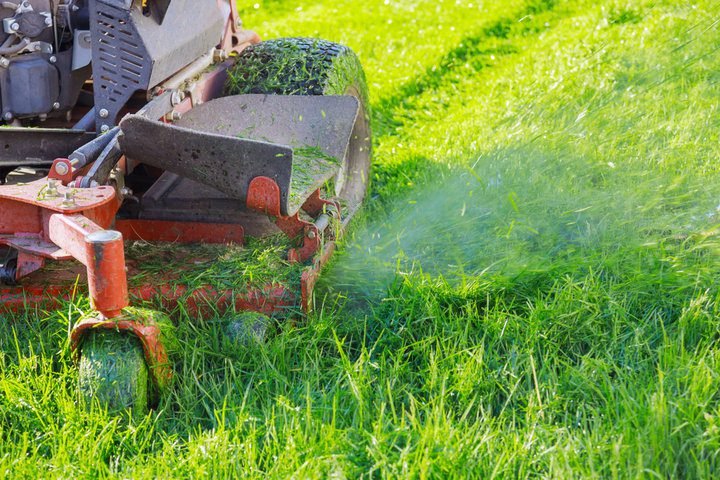
Consistent mowing is one of the most overlooked factors in preventing patchy grass. Many homeowners in Richmond and nearby communities wait too long between cuts, which stresses turf and creates weak spots that can quickly turn into visible bare areas.
Grass grows best when no more than one-third of the blade height is removed at a time. When mowing is inconsistent, the grass is forced into recovery mode. That stress weakens root systems and makes turf more vulnerable to disease, heat damage, and foot traffic.
Regular mowing supports:
- Stronger root development
- Thicker lateral growth
- Reduced weed intrusion
- Improved moisture retention
- A more uniform appearance
In neighborhoods across Midlothian and Glen Allen, cool-season grasses like tall fescue dominate residential lawns. These grasses respond well to consistent mowing at the proper height. Cutting too short exposes soil to sunlight, leading to faster evaporation and creating ideal conditions for weeds to establish in thin areas.
Consistent mowing also improves sunlight distribution. When grass becomes too tall, it shades lower blades and surrounding turf. That shading creates uneven growth patterns. By maintaining a steady mowing schedule, light reaches the base of the lawn evenly, preventing those small thinning spots that eventually become noticeable patches.
Another major benefit is early detection. Routine mowing allows professionals to spot:
- Developing disease spots
- Early grub damage
- Irrigation inconsistencies
- Soil erosion areas
- Compaction signs
When caught early, these issues can be corrected before they spread.
In Richmond’s humid summer climate, fungal diseases can appear quickly. A lawn that is cut regularly and inspected each visit is far less likely to develop large patch problems. Preventive mowing practices, combined with sharp blades and consistent height control, form the first line of defense against patchy grass.
The Role of Aeration in Even Grass Growth
Soil compaction is one of the leading causes of patchy lawns in Central Virginia. The clay-heavy soils common in areas like Chester and Tuckahoe can become dense and restrict oxygen flow to grassroots. When roots cannot access air, water, and nutrients, grass thins out.
Core aeration solves this problem by removing small plugs of soil. This creates channels that allow oxygen, water, and nutrients to penetrate deeper into the root zone.
Aeration benefits include:
- Improved root expansion
- Better nutrient absorption
- Enhanced water infiltration
- Reduced surface runoff
- Stronger turf density
Without aeration, even well-watered lawns may struggle. Water can pool at the surface instead of soaking in, leaving roots shallow and weak. Shallow roots are more susceptible to drought stress, which often appears as irregular brown patches.
In Richmond’s transitional climate zone, fall aeration is particularly valuable for cool-season grasses. It prepares the soil for overseeding and encourages thicker growth heading into winter dormancy. Spring aeration can also help relieve compaction after heavy winter moisture.
Homeowners in Short Pump and Mechanicsville often notice thinning in high-traffic areas like backyard play spaces or front yard walkways. These are prime zones for compaction. Regular aeration restores airflow and allows grass to regrow evenly instead of remaining sparse.
Aeration also reduces thatch buildup. Thatch is a layer of organic material that accumulates between the soil and grass blades. Excess thatch can prevent water and nutrients from reaching roots, contributing to uneven growth.
Signs your lawn may need aeration:
- Water puddles after rainfall
- Soil feels hard to the touch
- Grass looks thin despite watering
- Increased weed growth in patches
- Heavy foot traffic areas showing stress
By incorporating routine aeration into a long-term maintenance plan, patchy areas are less likely to develop in the first place.
Overseeding to Fill Thin Lawn Areas and Patches
Even well-maintained lawns naturally thin over time. Weather stress, minor disease pressure, and seasonal dormancy can all create sparse spots. Overseeding introduces new grass seed into existing turf, helping restore density before patches become permanent.
In Richmond and surrounding communities, fall overseeding is especially effective for tall fescue lawns. The cooler temperatures and reduced weed competition provide ideal germination conditions.
Overseeding helps:
- Fill thin areas before weeds invade
- Improve overall turf density
- Increase disease resistance
- Enhance color consistency
- Extend lawn longevity
Thin grass is vulnerable grass. When sunlight reaches exposed soil, weed seeds germinate quickly. Overseeding crowds out these weeds by establishing desirable turf varieties that blend seamlessly with existing grass.
The process is most successful when combined with aeration. The holes created during aeration provide ideal seed-to-soil contact, which improves germination rates. This combination prevents small thinning zones from becoming widespread patch problems.
Homeowners in Goochland and Midlothian often notice patchiness after summer heat stress. Rather than allowing those areas to linger, proactive overseeding restores balance before winter arrives.
Key factors for successful overseeding:
- High-quality seed suited to Richmond’s climate
- Proper mowing height before application
- Adequate watering during germination
- Soil preparation through aeration
- Consistent follow-up mowing practices
By refreshing turf annually or as needed, lawns maintain even thickness year after year. This reduces the likelihood of large-scale repairs later.
Seasonal Care for Richmond Lawns That Stay Green
Patchy grass often develops when seasonal transitions are ignored. Richmond’s climate brings hot, humid summers and cool winters, each requiring specific maintenance adjustments.
Seasonal lawn care keeps turf resilient through changing conditions.
Spring priorities typically include:
- Cleaning up winter debris
- Early mowing adjustments
- Soil evaluation
- Addressing compaction
- Monitoring moisture levels
Summer demands close attention to mowing height and watering practices. Cutting grass too short in peak heat can quickly cause stress patches. Allowing slightly taller blades shades the soil and protects roots.
In neighborhoods throughout Glen Allen and Chester, summer fungal pressure can contribute to brown areas. Regular monitoring and proper mowing significantly reduce these risks.
Fall is the most critical season for strengthening cool-season lawns. It is the ideal time for:
- Core aeration
- Overseeding
- Mulch refreshes
- Shrub trimming
- Leaf removal
Winter care is often overlooked, yet it matters. Removing debris and preventing heavy leaf buildup ensures grass can breathe and avoids smothered spots that turn bare by spring.
A year-round care plan helps prevent:
- Heat-stressed patches
- Winterkill damage
- Compaction from saturated soils
- Nutrient imbalances
- Excess weed infiltration
Because Lawn Popper’s serves homeowners throughout Richmond and nearby areas like Mechanicsville and Short Pump, services are structured to align with local weather patterns rather than generic national schedules. This localized timing plays a major role in preventing patchy lawns.
Proper Mulching for Moisture Balance and Soil Health
Mulching is often associated with landscaping beds, but it also plays a vital role in overall lawn health. When flower beds and tree rings are properly mulched, soil moisture is regulated and competition for nutrients is reduced.
Improper or missing mulch can contribute indirectly to patchy grass. Trees and shrubs compete with turf for water. Without mulch to conserve moisture, surrounding grass may thin out.
Benefits of professional mulch installation include:
- Improved soil moisture retention
- Reduced weed growth in beds
- Temperature regulation around roots
- Enhanced curb appeal
- Gradual soil enrichment as mulch breaks down
In Richmond’s hot summers, exposed soil dries quickly. Mulch acts as insulation, preserving consistent moisture levels. This indirectly supports surrounding turf by reducing resource competition.
However, mulch must be installed correctly. Over-mulching around tree trunks can cause root stress, while insufficient coverage fails to retain moisture.
Mulching also prevents erosion during heavy rainstorms common in Central Virginia. Soil runoff can leave lawn edges uneven, leading to bare spots along borders.
Signs mulch may need refreshing:
- Faded color and thin coverage
- Visible soil between mulch pieces
- Weed breakthrough
- Compacted or matted texture
- Erosion near bed edges
Routine mulch maintenance complements mowing and aeration efforts. Together, these practices create a balanced environment where grass can grow evenly without stress-induced patchiness.
Routine Maintenance Prevents Soil Compaction
Soil compaction deserves special attention because it silently contributes to most patchy lawn issues. High-traffic lawns in Richmond neighborhoods often show thinning along driveways, sidewalks, and backyard gathering spaces.
Compacted soil restricts:
- Root expansion
- Oxygen circulation
- Water penetration
- Nutrient movement
- Microbial activity
When roots are confined, grass cannot thicken. Over time, this results in irregular growth patterns and visible patches.
Routine maintenance combats compaction through multiple strategies. Aeration physically loosens soil, while consistent mowing and traffic management reduce pressure on stressed areas.
In communities like Tuckahoe and Mechanicsville, clay-based soils are especially prone to hardening after rain. Without intervention, these soils create dense layers that prevent uniform growth.
Homeowners can help reduce compaction by:
- Avoiding mowing when soil is saturated
- Rotating play equipment locations
- Installing defined walkways
- Scheduling periodic aeration
- Maintaining consistent turf height
A proactive plan keeps soil structure healthy year after year. Instead of reacting to large bare spots, preventive maintenance ensures turf remains dense and resilient.
At Lawn Popper’s, serving the Richmond area including ZIP code 23233 and 23114, routine care programs are designed to address soil health before visible damage appears. This preventative mindset is what keeps lawns consistently green and evenly filled across seasons.
Frequently Asked Questions
How often should I mow my lawn in Richmond, Virginia?
Most Richmond-area lawns benefit from weekly mowing during peak growing seasons in spring and early fall. Consistent mowing prevents stress and supports thicker turf growth, which reduces patchy areas. Lawn Popper’s serving the Richmond area offers scheduled mowing services tailored to local growth patterns in communities like Midlothian, Glen Allen, and Mechanicsville.
When is the best time to aerate and overseed in Central Virginia?
Fall is typically the best time to aerate and overseed cool-season lawns in Central Virginia. The cooler temperatures and moderate rainfall create ideal conditions for seed germination and root development. Lawn Popper’s provides aeration and overseeding services throughout the Richmond region to help fill thin areas and prevent patchy grass from returning.
What causes patchy grass even when I water regularly?
Patchy grass can result from soil compaction, poor mowing habits, disease, thatch buildup, or inadequate seed density. Even with regular watering, compacted soil may prevent roots from absorbing moisture properly. Lawn Popper’s helps homeowners throughout Richmond identify the underlying cause and apply corrective services such as aeration or overseeding.
Does mulch installation really affect lawn health?
Yes, proper mulch installation helps regulate soil moisture and reduces competition between plants and turf. In Richmond’s warm summers, mulch conserves water around trees and shrubs, allowing nearby grass to maintain better moisture balance. Lawn Popper’s provides professional mulch installation as part of a comprehensive landscaping and lawn care plan.
How do I fix thin lawn areas in high-traffic zones?
Thin areas in high-traffic zones often require aeration, overseeding, and adjustments to mowing practices. Compacted soil needs to be loosened before new grass can establish properly. Lawn Popper’s serving Richmond and surrounding areas like Chester and Short Pump offers targeted solutions to restore density in heavily used sections of your yard.
What seasonal lawn services help prevent bare spots?
Seasonal services such as spring cleanups, summer mowing adjustments, fall aeration and overseeding, and leaf removal all contribute to preventing bare spots. Addressing lawn needs before stress becomes visible keeps turf thick and healthy. Lawn Popper’s provides year-round outdoor maintenance across the Richmond region.
Can power washing and exterior cleaning impact my lawn?
Exterior power washing can impact lawn areas if runoff is not managed properly. Professional services ensure that cleaning solutions and debris are handled carefully to protect surrounding turf. Lawn Popper’s offers exterior power washing in the Richmond area with attention to landscape protection and property care.
How do I know if my soil is compacted?
Common signs of compacted soil include pooling water, hard ground, thinning grass, and increased weed growth. If your lawn feels dense and resistant when you press into it, compaction may be present. Lawn Popper’s serving Richmond and nearby communities can evaluate your lawn and recommend aeration to restore healthy soil structure.