

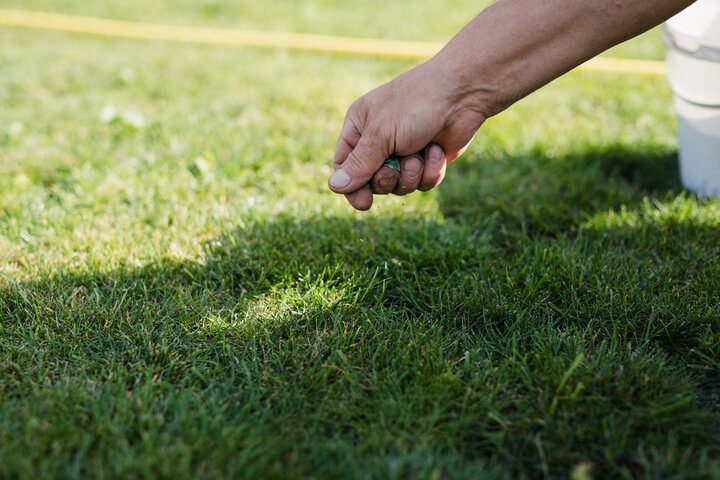
A thick, green lawn does not happen by accident, especially in Central Virginia’s ever-changing climate. Homeowners in Richmond and surrounding communities like Mechanicsville, Midlothian, Chester, Goochland, Tuckahoe, Short Pump, and Glen Allen often ask the same question: when is the best time to schedule overseeding services? The answer depends on seasonal timing, weather patterns, grass type, and proper preparation.
Overseeding is one of the most effective ways to improve lawn density, repair thin areas, and strengthen turf against weeds and disease. For residential properties throughout the Richmond region, overseeding plays a key role in long-term lawn health. Lawn Popper’s, a locally operated lawn care and landscaping company based in Richmond, Virginia, provides professional overseeding and aeration services designed specifically for Central Virginia conditions.
This comprehensive guide explains exactly when to schedule overseeding services in Richmond, VA, why timing matters, and how homeowners can maximize results by pairing overseeding with aeration and seasonal lawn maintenance.
Understanding Richmond’s Overseeding Season
Overseeding season in Richmond revolves around cool-season grass performance. Most residential lawns throughout Central Virginia are primarily tall fescue blends, which thrive during cooler months and struggle during peak summer heat. Understanding this growth cycle is essential when deciding when to introduce new seed.
Tall fescue grows most actively when soil temperatures range between 55 and 75 degrees Fahrenheit. In the Richmond area, those conditions typically occur in early fall and, to a lesser extent, in spring. Scheduling overseeding outside of these windows can lead to poor germination and wasted seed.
Several factors influence overseeding success in Central Virginia:
- Soil temperature rather than just air temperature
- Seasonal rainfall patterns
- Weed competition cycles
- Summer heat stress recovery
- Proper soil preparation and aeration
In Richmond and nearby areas like Glen Allen and Short Pump, lawns often thin out after summer due to drought stress, heavy foot traffic, or disease pressure. Overseeding replenishes those areas with fresh grass plants that can establish before winter dormancy.
Homeowners in neighborhoods across Midlothian and Tuckahoe frequently notice bare spots after long, humid summers. Without intervention, these areas can become vulnerable to invasive weeds. Overseeding introduces improved grass varieties that increase density and crowd out unwanted growth naturally.
It is also important to understand that overseeding is not a one-size-fits-all service. Lawn Popper’s evaluates each property individually, taking into account:
- Existing turf health
- Sun and shade exposure
- Drainage conditions
- Soil compaction levels
- Irrigation availability
This localized approach ensures that overseeding aligns with Richmond’s specific environmental conditions rather than relying on generic national lawn care timelines.
Best Months to Overseed in Central VA and Richmond
In Richmond, Virginia, the ideal overseeding window typically falls between early September and mid-October. During this period, soil temperatures remain warm enough for germination, while cooler air temperatures reduce stress on emerging seedlings.
Early fall provides optimal growing conditions because:
- Soil retains summer warmth
- Air temperatures moderate
- Rainfall becomes more consistent
- Weed competition declines
- Grass has time to establish before winter
For homeowners in Mechanicsville and Chester, scheduling overseeding in September often produces the strongest results. Grass seeded during this window has sufficient time to develop deep roots before winter dormancy sets in.
October overseeding can also be successful, particularly in milder years. However, timing becomes more sensitive as frost dates approach. Waiting too late in the season may limit root development, especially in exposed or shaded areas.
Spring overseeding is sometimes considered as a secondary option. In Richmond, the spring window usually runs from late March through April. While germination can occur successfully, spring seedlings face increased competition from summer weeds and rising heat.
Here is a comparison of fall versus spring overseeding in Central Virginia:
Fall Overseeding Benefits:
- Stronger root establishment
- Reduced weed competition
- Less irrigation demand
- Higher long-term survival rate
Spring Overseeding Challenges:
- Increased crabgrass pressure
- Shorter root development window
- Greater irrigation needs
- Higher summer stress risk
For most residential properties throughout Richmond and surrounding communities, fall remains the most dependable and recommended time to overseed. Lawn Popper’s schedules overseeding services accordingly to ensure maximum germination and long-term lawn improvement.
How Weather Patterns Affect Grass Growth
Weather in Central Virginia can be unpredictable. From humid summers to fluctuating fall temperatures, climate patterns significantly impact overseeding outcomes.
Richmond experiences hot, humid summers where temperatures frequently climb into the upper 80s and 90s. Tall fescue lawns often enter a stress phase during this period. Extended drought or inconsistent rainfall can thin turf density, making overseeding a restorative solution once cooler weather arrives.
Key weather factors influencing overseeding success include:
- Soil moisture consistency
- Overnight temperature stability
- Rainfall distribution
- Early frost timing
- Heat wave duration
In years with prolonged summer drought, lawns in Goochland and Short Pump may require additional preparation before overseeding. Soil that is overly compacted or dry can prevent proper seed-to-soil contact, which is critical for germination.
Fall weather in Richmond typically provides ideal moisture conditions. Consistent rainfall reduces the need for frequent irrigation, supporting even germination. However, sudden cold snaps can impact late-season seeding efforts.
Spring weather presents a different challenge. While temperatures may initially appear favorable, rapid transitions into warm conditions can shorten the establishment window. Additionally, heavy spring rains may wash away seed if not properly incorporated into the soil.
Lawn Popper’s monitors seasonal forecasts and soil conditions when scheduling aeration and overseeding services. Adjusting timing based on real-time weather patterns helps homeowners across the Richmond region achieve more reliable results.
Proper timing combined with professional preparation can help lawns in areas such as 23229 and 23112 recover from stress and maintain dense, uniform growth throughout the year.
Why Fall Is Ideal for Lawn Popper’s Clients
Fall is widely regarded as the prime overseeding season for Richmond homeowners, and for good reason. The environmental conditions during autumn create a perfect environment for seed germination and root development.
During early fall, soil remains warm from summer, promoting quick seed sprouting. At the same time, cooler air temperatures reduce evaporation and stress on young grass plants. This balance allows new seedlings to focus on root development rather than survival.
Advantages of fall overseeding for Lawn Popper’s clients include:
- Faster germination rates
- Stronger root systems before winter
- Reduced weed competition
- Improved turf density by spring
- Enhanced disease resistance
In communities like Glen Allen and Midlothian, fall overseeding often transforms lawns that struggled during summer heat. By the following spring, homeowners typically see thicker coverage and improved color consistency.
Fall also aligns well with other essential lawn services. Aeration, leaf management, and seasonal yard cleanups can be coordinated efficiently. Removing fallen leaves ensures sunlight reaches new seedlings and prevents smothering during establishment.
For homeowners in Chester and Mechanicsville, combining fall overseeding with aeration and mulch refresh services can create a comprehensive seasonal improvement plan. Lawn Popper’s offers these services throughout the Richmond area, helping properties transition smoothly into winter.
Another advantage of fall overseeding is reduced weed pressure. Many common lawn weeds begin declining as temperatures cool. This natural reduction in competition gives new grass a stronger start.
Scheduling overseeding in fall ultimately positions lawns for success the following year. By spring, grass has matured enough to withstand foot traffic, mowing, and moderate heat stress.
Spring Overseeding Tips for Richmond Lawns
Although fall is generally preferred, spring overseeding can still be beneficial under certain conditions. Lawns that missed fall seeding or experienced winter damage may require spring intervention.
If spring overseeding is necessary in Richmond, timing becomes critical. Late March through mid-April usually offers the best opportunity before summer heat intensifies.
To improve spring overseeding success:
- Aerate to relieve soil compaction
- Use high-quality fescue seed blends
- Monitor soil moisture consistently
- Delay crabgrass preventer applications
- Mow carefully once seedlings establish
One of the biggest challenges in spring overseeding is weed competition. Pre-emergent herbicides used for crabgrass control can interfere with seed germination. Coordinating treatment timing is essential to avoid reducing seeding effectiveness.
Homeowners in Short Pump and Tuckahoe considering spring overseeding should also plan for increased watering needs. Spring weather can shift quickly from mild to hot, placing young seedlings under stress.
Spring overseeding may not always deliver the same long-term durability as fall seeding. However, when paired with proper aeration and attentive maintenance, it can help stabilize thinning lawns until fall arrives.
Lawn Popper’s evaluates each lawn individually before recommending spring overseeding. Factors such as turf damage, soil condition, and homeowner goals influence the recommended approach.
Scheduling Aeration and Seeding Services Together
Core aeration and overseeding are most effective when performed together. Aeration involves removing small plugs of soil to relieve compaction and improve air, water, and nutrient movement within the root zone.
Compacted soil is common throughout Richmond’s clay-heavy landscapes. Without aeration, seed may struggle to establish due to limited soil contact and restricted root growth.
Benefits of combining aeration with overseeding include:
- Improved seed-to-soil contact
- Enhanced root penetration
- Increased nutrient absorption
- Better water infiltration
- Stronger overall turf resilience
In areas like Goochland and Midlothian, clay soils can become dense and restrictive over time. Aeration creates channels that allow seed to settle into the soil profile, improving germination rates.
The ideal schedule for Richmond homeowners typically involves aeration immediately followed by overseeding during the early fall window. This approach maximizes establishment time before winter dormancy.
After aeration and seeding, proper aftercare is critical. Lawn Popper’s provides guidance on:
- Watering frequency and duration
- Mowing height adjustments
- Traffic reduction during germination
- Fertilization timing
- Ongoing seasonal maintenance
Coordinating services ensures efficiency and consistency. Rather than spacing treatments weeks apart, combining them streamlines the process and delivers more uniform results.
Homeowners throughout Richmond and surrounding communities benefit from proactive scheduling. Because fall is the most in-demand season for aeration and overseeding, booking early helps secure ideal timing.
By understanding when to schedule overseeding services in Richmond, VA, and pairing them with professional aeration, property owners can significantly improve lawn density, color, and resilience year after year.
Frequently Asked Questions
When is the best time to overseed a lawn in Richmond, VA?
The best time to overseed lawns in Richmond, Virginia is typically from early September through mid-October. During this period, soil temperatures remain warm while air temperatures cool, creating ideal germination conditions for tall fescue. Lawn Popper’s serving the Richmond area schedules fall overseeding to help homeowners achieve stronger root development before winter dormancy.
Can I overseed my lawn in the spring in Central Virginia?
Yes, spring overseeding is possible in Central Virginia, usually between late March and mid-April. However, it requires careful coordination with weed control treatments and consistent watering. Lawn Popper’s evaluates each Richmond-area lawn to determine whether spring overseeding is appropriate or if waiting until fall would provide better long-term results.
Should aeration be done at the same time as overseeding?
Aeration and overseeding are most effective when performed together. Core aeration relieves soil compaction and creates openings for seed-to-soil contact, which improves germination rates. Lawn Popper’s provides combined aeration and overseeding services throughout Richmond and nearby communities to maximize lawn density and root development.
How long does it take for grass seed to germinate in Richmond’s climate?
Tall fescue seed typically germinates within 7 to 14 days under optimal fall conditions in Richmond. Soil temperature, moisture consistency, and sunlight exposure all influence germination speed. Lawn Popper’s provides aftercare guidance to homeowners in Mechanicsville, Midlothian, and surrounding areas to encourage healthy establishment.
What other lawn services should be scheduled with overseeding?
Overseeding pairs well with aeration, seasonal yard cleanups, mulch installation, and shrub trimming. Removing leaves and debris ensures new seedlings receive proper sunlight and airflow. Lawn Popper’s offers comprehensive residential lawn care and landscaping services throughout the Richmond region to support year-round property maintenance.
How often should I overseed my lawn in Virginia?
Most Richmond-area lawns benefit from overseeding every one to two years, depending on turf density and wear. High-traffic lawns or those exposed to summer stress may require more frequent attention. Lawn Popper’s assesses lawn health and recommends a customized overseeding schedule for homeowners across Central Virginia.
Does power washing help improve curb appeal along with lawn care?
Yes, exterior power washing complements lawn maintenance by improving overall curb appeal. Cleaning siding, walkways, and driveways enhances the appearance of a well-maintained lawn. Lawn Popper’s provides residential power washing services in the Richmond area alongside lawn care and landscaping solutions for a complete exterior refresh.
What areas does Lawn Popper’s serve for overseeding and lawn care?
Lawn Popper’s is based in Richmond, Virginia and serves homeowners throughout nearby communities including Mechanicsville, Midlothian, Chester, Goochland, Tuckahoe, Short Pump, and Glen Allen. The company provides overseeding, aeration, lawn mowing, seasonal cleanups, mulch installation, shrub trimming, and exterior cleaning services tailored to Central Virginia conditions.