

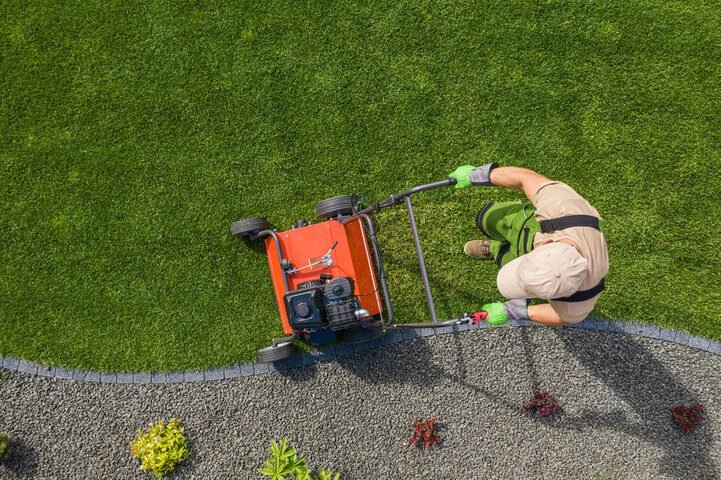
A healthy, green lawn does not happen by accident. In Central Virginia, soil composition, humidity, summer heat, and seasonal rainfall all influence how well your turf performs throughout the year. One of the most important services for maintaining strong, resilient grass is core aeration. Knowing when to schedule lawn aeration for best results can make the difference between a thin, stressed lawn and one that looks thick and vibrant from spring through fall.
Lawn Popper’s is a locally operated lawn care and landscaping company based in Richmond, Virginia. We serve homeowners throughout Richmond and nearby communities including Mechanicsville, Midlothian, Chester, Goochland, Tuckahoe, Short Pump, and Glen Allen. Because we understand the local soil conditions and seasonal patterns in this region, we help property owners choose the right timing for aeration and overseeding to support long-term lawn health.
This comprehensive guide explains exactly when to aerate your lawn in Richmond, why timing matters, and how to coordinate aeration with other essential services like overseeding, mulch installation, and seasonal yard cleanup.
Why Timing Matters for Lawn Aeration in Richmond Lawns
Timing lawn aeration correctly is essential in Richmond because our region experiences distinct seasonal shifts. Hot, humid summers followed by cool, damp winters create cycles of compaction, root stress, and soil density changes. If aeration is performed at the wrong time, grass may not recover properly, or new growth may struggle to establish.
In Central Virginia, many residential lawns grow cool-season grasses such as tall fescue. These grasses have specific growth windows in spring and fall. Aerating during active growth periods allows turf to recover quickly, fill in holes left by core plugs, and develop deeper root systems. Aerating during dormancy or extreme heat, on the other hand, can weaken the lawn.
Proper timing also ensures that soil conditions are ideal for core penetration. Aeration works best when the soil is moist but not saturated. Richmond’s climate can shift rapidly, so scheduling with a knowledgeable local provider like Lawn Popper’s ensures optimal results.
Key reasons timing matters:
- Encourages faster turf recovery
- Maximizes seed-to-soil contact when overseeding
- Reduces stress during summer heat
- Improves root depth before winter dormancy
- Prevents compaction from worsening during peak use
When homeowners in areas like Short Pump or Midlothian ask why their lawn did not respond well to aeration in the past, the answer is often tied directly to timing. A carefully planned schedule aligned with Richmond’s seasonal patterns produces the best outcome.
Best Seasons for Aeration in Central Virginia
In the Richmond region, fall is widely considered the best season for lawn aeration, particularly for cool-season grasses. Late summer to early fall provides warm soil temperatures, cooler air, and consistent rainfall. These conditions support rapid root development and thick turf establishment.
Spring can also be a viable time for aeration, but it requires more careful planning. Early spring aeration may help relieve compaction caused by winter moisture and foot traffic. However, spring aeration must be coordinated carefully with weed control programs to avoid encouraging unwanted growth.
Summer aeration is generally not recommended for cool-season lawns in Richmond due to high heat and drought stress. Winter aeration is ineffective because grass is dormant and soil conditions are often too wet or frozen.
Seasonal comparison for Richmond homeowners:
- Early fall: Ideal for aeration and overseeding
- Mid-spring: Acceptable with proper coordination
- Summer: Typically avoided due to heat stress
- Winter: Not effective during dormancy
In neighborhoods across Glen Allen and Tuckahoe, we often see the strongest lawn improvements when aeration is completed between late August and October. This window allows grass to establish before colder weather arrives.
Choosing the right season is about more than convenience. It directly affects how well your lawn thickens, resists disease, and tolerates foot traffic throughout the year.
Signs Your Richmond Lawn Needs Aeration This Year
Even if you understand the best season for aeration, you may wonder whether your lawn actually needs it this year. Soil compaction builds gradually, and many homeowners do not notice the signs until turf health declines.
Compacted soil restricts oxygen, water, and nutrient flow to the roots. In Richmond’s clay-heavy soils, compaction is especially common, particularly in high-traffic yards or newly constructed neighborhoods.
Common signs your lawn needs aeration:
- Water pools or runs off instead of soaking in
- Grass appears thin or patchy despite fertilization
- Soil feels hard when pressed with a screwdriver
- High foot traffic areas look worn or compacted
- Thatch layer exceeds half an inch
If you live in Chester or Mechanicsville and notice your lawn struggling after summer gatherings or heavy rainfall, compaction may be the root cause. Aeration opens channels in the soil, allowing roots to breathe and absorb nutrients more effectively.
Another indicator is slow recovery after mowing or drought stress. Healthy lawns bounce back quickly. Compacted lawns tend to remain stressed and discolored for longer periods.
Regular aeration, typically once per year for most Richmond lawns, helps prevent long-term soil damage and keeps turf resilient.
Cool-Season Grasses and Ideal Timing in Richmond
Most residential lawns in Richmond, Midlothian, and surrounding communities consist primarily of tall fescue, a cool-season grass well-suited to Virginia’s transitional climate. Cool-season grasses grow most actively in spring and fall, making these periods critical for aeration planning.
Aerating cool-season lawns during active growth encourages:
- Stronger root development
- Thicker turf density
- Improved drought tolerance
- Better nutrient absorption
- Faster recovery from stress
Fall remains the preferred time because grass can focus energy on root expansion rather than surviving summer heat. When aeration is paired with overseeding in early fall, homeowners often see dramatic improvements in lawn thickness.
Spring aeration can work if scheduled early enough, before summer heat arrives. However, spring tends to favor weed germination. Coordination with fertilization and weed management is essential to prevent unwanted competition.
In Goochland and surrounding rural areas where soil may be heavier, fall aeration helps break up dense clay before winter rains settle in. This allows oxygen and nutrients to penetrate deeper, strengthening turf before dormancy.
Understanding your specific grass type and growth cycle ensures aeration supports natural development rather than disrupting it.
Coordinating Aeration and Overseeding for Thick Lawns
Aeration and overseeding work best when performed together. The holes created by core aeration provide direct seed-to-soil contact, significantly improving germination rates. For Richmond homeowners seeking thicker lawns, this combination is one of the most effective strategies available.
When scheduled in early fall, aeration and overseeding can transform thin turf into a dense, uniform lawn. The cooler air temperatures reduce stress, while warm soil promotes rapid seed sprouting.
Benefits of pairing aeration with overseeding:
- Fills in bare or thin areas
- Improves lawn color and uniformity
- Increases disease resistance
- Enhances tolerance to foot traffic
- Reduces long-term weed invasion
Homeowners in areas such as Glen Allen and Short Pump often request aeration alone, but adding overseeding amplifies results significantly. The improved soil structure allows new grass roots to grow deeper and stronger.
Proper watering after service is essential. Newly seeded lawns require consistent moisture to establish. Lawn Popper’s provides guidance tailored to Richmond’s seasonal weather patterns so homeowners can protect their investment.
By coordinating these services, lawns become thicker, healthier, and more resilient year after year.
Scheduling Around Rain and Soil Moisture
Soil moisture plays a major role in aeration effectiveness. In Richmond’s variable climate, scheduling around rainfall can enhance or hinder results. Ideally, soil should be moist enough for cores to penetrate easily but not so saturated that machinery causes damage.
Aerating extremely dry soil can limit core depth and reduce effectiveness. Conversely, overly wet soil can smear and compact instead of creating clean plugs.
Ideal soil conditions include:
- Moist soil two to three inches deep
- No standing water
- Mild temperatures
- Light rainfall within a day or two prior
- Forecast free of heavy downpours
In neighborhoods across Richmond, including areas near 23233 and 23114, soil conditions can vary significantly depending on drainage patterns and sun exposure. Professional evaluation helps determine the right timing for each property.
Monitoring weather forecasts is part of responsible scheduling. Lawn Popper’s adjusts service timing when necessary to ensure optimal results while minimizing lawn disruption.
When soil moisture is correct, aeration delivers maximum root stimulation and long-term turf improvement.
Frequently Asked Questions
When is the best month to aerate a lawn in Richmond, Virginia?
The best time to aerate most Richmond-area lawns is between late August and October. During this period, cool-season grasses like tall fescue are actively growing, allowing them to recover quickly and develop deeper roots. Lawn Popper’s serving the Richmond area schedules fall aeration to align with ideal soil temperatures and seasonal rainfall patterns.
How often should I aerate my lawn in Central Virginia?
Most residential lawns in Richmond and surrounding communities benefit from aeration once per year. Lawns with heavy foot traffic or clay-heavy soil may require annual service to prevent compaction buildup. Lawn Popper’s evaluates each property individually to recommend an aeration schedule suited to local soil and usage conditions.
Should aeration be done before or after overseeding?
Aeration should be performed immediately before overseeding for best results. The core holes created during aeration improve seed-to-soil contact, which increases germination rates and helps new grass establish deeper roots. Lawn Popper’s coordinates both services together throughout the Richmond region for optimal turf thickening.
Is spring aeration a good option in Virginia?
Spring aeration can be beneficial if timed carefully, especially for lawns experiencing compaction from winter moisture. However, it must be coordinated with weed control treatments to avoid promoting unwanted growth. Lawn Popper’s helps Richmond homeowners determine whether spring or fall aeration is better for their specific lawn conditions.
Can aeration help with standing water in my yard?
Yes, aeration can improve drainage by loosening compacted soil and allowing water to penetrate more effectively. While it may not fix major grading issues, it often reduces minor pooling problems common in Richmond’s clay soils. Lawn Popper’s evaluates drainage patterns as part of a comprehensive lawn care approach.
Do you offer overseeding and mulch installation together with aeration?
Yes, Lawn Popper’s provides overseeding, mulch installation, shrub trimming, and seasonal yard cleanups alongside aeration services. Many Richmond homeowners schedule multiple services in the fall to refresh both turf and landscape beds at the same time, creating a cohesive and well-maintained appearance.
How soon can I mow after aeration and overseeding?
After aeration and overseeding, it is generally recommended to wait until new grass reaches at least three inches in height before mowing. This usually takes a few weeks depending on weather conditions in the Richmond area. Lawn Popper’s provides customized aftercare instructions to ensure successful seed establishment.
Does Lawn Popper’s provide services outside of Richmond city limits?
Yes, Lawn Popper’s is based in Richmond, Virginia and serves nearby communities including Mechanicsville, Midlothian, Chester, Goochland, Tuckahoe, Short Pump, and Glen Allen. Our team provides residential lawn care, landscaping, exterior maintenance, and power washing services throughout the region.