

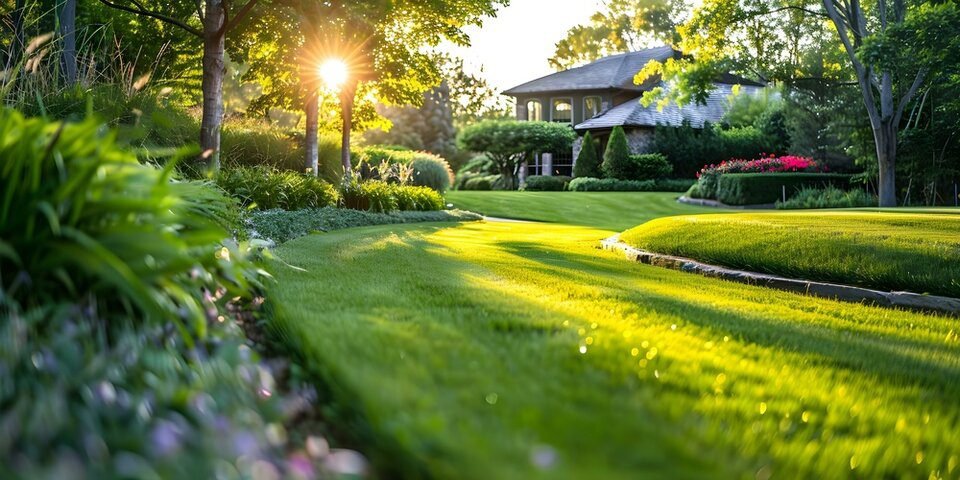
A lush, green lawn does more than improve curb appeal. It creates a welcoming outdoor space for family gatherings, boosts property value, and reflects pride in homeownership. In Central Virginia, maintaining a beautiful lawn requires understanding the region’s unique climate patterns, soil conditions, and seasonal changes. Homeowners in Richmond and nearby communities such as Mechanicsville, Midlothian, Chester, Goochland, Tuckahoe, Short Pump, and Glen Allen face specific challenges that demand thoughtful, consistent care.
Lawn Popper’s is a locally operated residential lawn care and landscaping company based in Richmond, Virginia. The team provides professional lawn mowing, aeration, overseeding, mulch installation, shrub trimming, seasonal yard cleanups, and exterior power washing throughout the region. With attention to detail and dependable service, Lawn Popper’s helps homeowners maintain healthy lawns and polished outdoor spaces suited to Virginia’s evolving seasonal conditions.
This comprehensive guide outlines the best practices for maintaining a beautiful lawn in Richmond. From understanding soil needs to scheduling year-round cleanups, these insights will help you make informed decisions about your property and know when professional support can elevate your results.
Understanding Richmond’s Lawn Climate and Soil Needs
Richmond’s climate plays a significant role in lawn health. The region experiences hot, humid summers and relatively mild winters, creating both opportunities and challenges for turfgrass growth. Warm-season stress, summer drought periods, and occasional heavy rainfall all influence how lawns should be maintained.
Most lawns in the Richmond area consist of cool-season grasses such as tall fescue, Kentucky bluegrass, or perennial ryegrass. Tall fescue is especially popular because it tolerates heat better than other cool-season varieties while maintaining a deep green color. However, even hardy turf types require careful watering, fertilizing, and soil management to thrive.
Key climate considerations for Central Virginia lawns include:
- Hot summer temperatures that stress shallow root systems
- Periodic drought conditions requiring efficient irrigation
- Clay-heavy soils that can become compacted easily
- Seasonal temperature swings affecting growth cycles
Soil composition is another major factor in lawn success. Many properties throughout Richmond and surrounding communities sit on clay-dominant soil. While clay retains nutrients well, it also compacts easily, limiting oxygen and water penetration to roots. Compacted soil can lead to thinning grass, increased runoff, and weed intrusion.
Healthy soil supports strong root systems. Conducting periodic soil testing helps determine pH levels and nutrient deficiencies. In Virginia, slightly acidic soil with a pH between 6.0 and 7.0 typically supports optimal turf growth. Adjustments with lime or targeted fertilization can correct imbalances and improve lawn resilience.
Homeowners should pay attention to signs of soil issues, such as:
- Standing water after rain
- Thin or patchy grass growth
- Excessive weed presence
- Hard, dry soil that resists water absorption
By understanding Richmond’s climate and soil conditions, property owners can make smarter decisions about mowing schedules, watering practices, aeration timing, and fertilization plans. Professional lawn care providers like Lawn Popper’s tailor services to these local factors, ensuring lawns receive care aligned with regional conditions.
Mowing Techniques for Thick Green Grass Growth
Proper mowing is one of the most overlooked best practices for maintaining a beautiful lawn. Cutting grass too short or using dull blades can weaken turf and create opportunities for weeds and disease. In Richmond’s climate, mowing techniques directly influence moisture retention and root depth.
For cool-season grasses common in Central Virginia, maintaining a mowing height between 3 and 4 inches encourages deeper root systems. Taller grass blades provide shade to the soil surface, reducing evaporation and helping lawns withstand summer heat.
Effective mowing practices include:
- Never removing more than one-third of the grass blade at a time
- Keeping mower blades sharp for clean cuts
- Alternating mowing patterns to prevent soil compaction
- Leaving grass clippings to return nutrients to the soil
Frequent mowing during peak growth seasons, especially spring and early fall, promotes thick turf development. However, mowing frequency should adjust based on growth rate rather than a rigid schedule. During summer heat or drought conditions, grass growth slows, and mowing intervals may lengthen.
Consistency is critical. Irregular mowing can shock the lawn and create uneven patches. By maintaining a predictable mowing routine, homeowners in areas like Short Pump and Glen Allen can support uniform growth and enhance curb appeal.
Professional mowing services from Lawn Popper’s ensure precise cutting heights, sharp equipment maintenance, and dependable scheduling. This consistency helps homeowners achieve a polished look while strengthening grass health over time.
Aeration and Overseeding for Strong Roots
Soil compaction is common across Richmond properties, especially in high-traffic lawns or clay-heavy soils. Core aeration addresses this issue by removing small plugs of soil, allowing air, water, and nutrients to penetrate deeper into the root zone.
Aeration is typically most effective in early fall for cool-season grasses. During this period, temperatures are moderate, and grass actively grows, allowing roots to recover and expand quickly. Spring aeration can also provide benefits when conditions warrant.
Benefits of core aeration include:
- Improved oxygen flow to roots
- Enhanced water absorption
- Reduced soil compaction
- Increased nutrient uptake
Overseeding often accompanies aeration to thicken lawns and fill in bare spots. By spreading high-quality grass seed immediately after aeration, seeds settle into the holes created by the process, increasing soil contact and germination rates.
Overseeding strengthens lawns by:
- Filling thin or patchy areas
- Introducing improved turf varieties
- Boosting disease resistance
- Enhancing overall lawn density
For homeowners in Midlothian and Chester, fall aeration and overseeding can significantly improve lawn appearance before winter dormancy. Thick turf crowds out weeds naturally, reducing reliance on herbicides.
Lawn Popper’s provides professional aeration and overseeding services tailored to Richmond’s soil conditions. Using commercial-grade equipment and regionally appropriate seed blends, the company helps homeowners build stronger root systems and more resilient lawns.
Seasonal Fertilizing and Weed Control Tips
Fertilization schedules in Richmond should align with cool-season grass growth cycles. Rather than heavy summer feeding, which can stress turf during heat, strategic applications in spring and fall support steady development.
In early spring, a balanced fertilizer encourages green-up and prepares lawns for active growth. Fall fertilization, often considered the most important feeding of the year, strengthens roots before winter dormancy.
An effective fertilization plan typically includes:
- Soil testing to determine nutrient deficiencies
- Controlled-release fertilizers for consistent feeding
- Fall applications to promote root storage
- Targeted treatments rather than over-application
Weed control works best when combined with healthy turf practices. Thick, well-maintained grass naturally limits weed germination. Pre-emergent herbicides in early spring help prevent crabgrass, while spot treatments address broadleaf weeds as needed.
Common lawn weeds in the Richmond area include:
- Crabgrass
- Dandelions
- Clover
- Chickweed
Proper timing is essential. Applying treatments during calm weather and following label instructions ensures safety and effectiveness. Professional lawn care services can monitor conditions and adjust applications responsibly.
Lawn Popper’s offers fertilizing and weed management solutions that align with Virginia’s seasonal patterns. By integrating nutrient support with preventive strategies, homeowners throughout Goochland and Tuckahoe can enjoy greener lawns with fewer invasive plants.
Proper Mulching and Shrub Trimming Care Methods
Landscaping elements such as mulch beds and shrubs significantly contribute to curb appeal. Mulch not only enhances visual appeal but also retains soil moisture, moderates temperature, and reduces weed growth around trees and plants.
In Richmond’s fluctuating climate, fresh mulch installations in spring or fall help protect root systems from temperature extremes. Organic mulch materials gradually break down, enriching soil over time.
Best practices for mulch installation include:
- Maintaining a depth of 2 to 3 inches
- Keeping mulch away from tree trunks
- Removing old compacted layers before reapplication
- Defining clean bed edges for a finished look
Shrub trimming also plays a vital role in landscape health. Overgrown shrubs can block sunlight, crowd walkways, and appear unkempt. Strategic pruning encourages fuller growth and prevents disease by improving airflow.
Effective shrub care involves:
- Trimming according to plant species growth patterns
- Removing dead or damaged branches
- Avoiding excessive cutting during peak heat
- Shaping shrubs for balanced structure
Homeowners in Mechanicsville and Glen Allen benefit from routine landscape maintenance that keeps beds tidy and plants thriving. Lawn Popper’s provides mulch installation and shrub trimming services that enhance both appearance and plant health throughout the year.
Scheduling Cleanups for Year Round Curb Appeal
Seasonal yard cleanups are essential for maintaining a beautiful lawn and organized landscape. Leaves, fallen branches, and debris can suffocate grass, invite pests, and diminish curb appeal if left unattended.
Spring cleanups focus on removing winter debris, preparing beds for planting, and refreshing mulch. Fall cleanups address heavy leaf accumulation and prepare lawns for colder months.
A comprehensive yard cleanup may include:
- Leaf removal from lawns and beds
- Clearing storm debris
- Trimming back perennials
- Edging walkways and driveways
Consistent maintenance throughout the year prevents buildup that can overwhelm turf and landscaping. Properties in Richmond neighborhoods, including areas near 23233 and 23113, benefit from proactive cleanup scheduling to preserve lawn health and visual appeal.
Exterior power washing further enhances curb appeal by removing dirt and algae from siding, sidewalks, and driveways. Combined with lawn care and landscaping, these services create a cohesive, well-maintained appearance.
Lawn Popper’s offers responsive seasonal yard cleanup and exterior cleaning services across Richmond and surrounding communities. By maintaining a consistent schedule, homeowners can protect their investment and enjoy attractive outdoor spaces in every season.
Frequently Asked Questions
How often should I mow my lawn in Richmond, Virginia?
In Richmond’s growing season, most cool-season lawns benefit from weekly mowing during spring and early fall. Growth may slow during peak summer heat, requiring less frequent cuts. Lawn Popper’s serving the Richmond area adjusts mowing schedules based on grass growth patterns rather than rigid timelines to promote healthier turf.
When is the best time to aerate and overseed in Central Virginia?
Early fall is typically the ideal time for aeration and overseeding in Central Virginia. Cooler temperatures and active root growth create favorable conditions for seed germination and recovery. Lawn Popper’s provides fall aeration and overseeding services throughout Richmond and nearby communities to strengthen lawns before winter.
What type of grass grows best in the Richmond area?
Tall fescue is one of the most common and reliable grass types for Richmond lawns due to its heat tolerance and durability. It performs well in Virginia’s clay-heavy soils when properly maintained. Lawn Popper’s uses regionally appropriate seed blends when overseeding to ensure compatibility with local conditions.
How can I control weeds without damaging my lawn?
Weed control works best when combined with proper mowing, fertilization, and thick turf growth. Pre-emergent treatments in early spring and targeted spot treatments throughout the year help manage invasive weeds. Lawn Popper’s offers balanced weed control solutions in the Richmond area that prioritize lawn health alongside effective prevention.
Why is core aeration important for clay soil?
Clay soil compacts easily, restricting airflow and water penetration to roots. Core aeration removes small plugs of soil, relieving compaction and improving nutrient absorption. Lawn Popper’s serving Richmond and surrounding communities performs professional aeration to enhance root development and overall lawn resilience.
How often should mulch be replaced around my home?
Most mulch beds benefit from refreshing once per year, typically in spring or fall. Maintaining a 2 to 3 inch layer supports moisture retention and weed suppression. Lawn Popper’s provides mulch installation services across Richmond to maintain clean, attractive landscape beds.
What does a seasonal yard cleanup include?
A seasonal yard cleanup may include leaf removal, debris clearing, edging, pruning, and preparing garden beds for upcoming growth cycles. Lawn Popper’s offers comprehensive yard cleanup services throughout Richmond and nearby areas to maintain curb appeal and lawn health year-round.
Is power washing safe for driveways and siding?
When performed correctly using appropriate pressure settings, power washing is safe and effective for removing dirt, algae, and buildup from exterior surfaces. Lawn Popper’s provides professional exterior cleaning services in the Richmond region to restore curb appeal without damaging surfaces.