

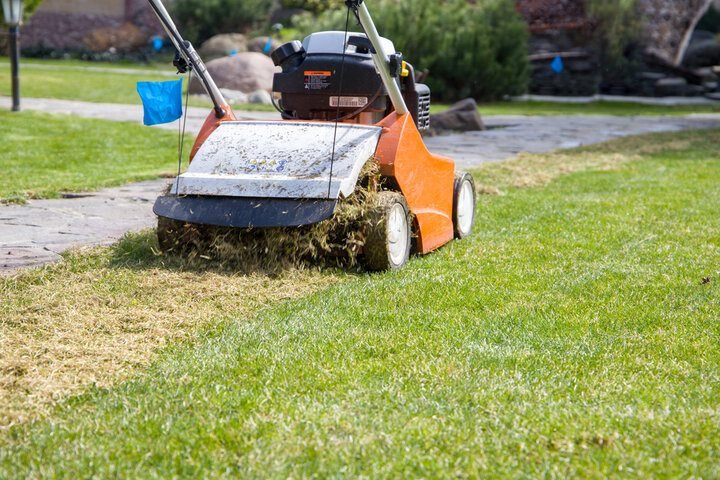
Healthy lawns in Richmond, Virginia do not happen by accident. Between dense clay soils, humid summers, heavy rainfall, and regular foot traffic, turfgrass can quickly become compacted and stressed. Lawn aeration is one of the most effective ways to restore balance to your soil and create stronger, deeper root systems. For homeowners in Richmond, Mechanicsville, Midlothian, Chester, Goochland, Tuckahoe, Short Pump, and Glen Allen, aeration plays a critical role in maintaining vibrant, resilient lawns year after year.
Lawn Popper’s is a locally operated lawn care and landscaping company based in the Richmond area, providing residential services designed to meet the specific challenges of Central Virginia’s climate and soil conditions. Below, we break down exactly how lawn aeration improves soil structure, boosts root growth, and sets your yard up for long-term success.
Why Lawn Aeration Matters for Soil Health
Soil is the foundation of every healthy lawn. When soil becomes compacted, grass roots struggle to access air, water, and nutrients. Over time, this leads to thinning turf, brown patches, and increased vulnerability to weeds and disease. Aeration directly addresses these issues by removing small plugs of soil from the lawn, creating channels that allow the soil to breathe again.
In the Richmond region, clay-heavy soil tends to compact more quickly than sandy soils. Regular mowing, kids playing in the yard, pets running across the grass, and even rainfall can compress the soil particles together. When that happens, the tiny pore spaces that allow oxygen and moisture to circulate become restricted. Aeration restores those spaces and improves overall soil structure.
Key soil health benefits of lawn aeration include:
- Increased oxygen flow to grassroots and beneficial soil microbes
- Improved microbial activity that supports nutrient breakdown
- Reduced surface runoff during heavy rains
- Better thatch breakdown and organic matter integration
- Enhanced soil structure for long-term turf resilience
When oxygen levels in the soil increase, microbial life becomes more active. These microorganisms play a crucial role in breaking down organic material into plant-available nutrients. Without proper aeration, microbial activity slows, and your lawn may not fully benefit from fertilization efforts.
For homeowners in areas like Glen Allen and Short Pump, where lawns often see consistent foot traffic, annual or biennial aeration can significantly improve soil tilth and turf density. Aeration is not just a quick fix; it is a foundational practice that strengthens the lawn from the ground up.
Breaking Up Compacted Richmond Clay Soils
Central Virginia is well known for its red clay soils. While clay holds nutrients well, it is also prone to compaction. When clay particles are pressed tightly together, water struggles to penetrate the surface, and roots are forced to remain shallow. This leads to turf that dries out quickly during summer heat or becomes waterlogged during prolonged rain.
Core aeration physically removes small plugs of soil, typically 2 to 3 inches deep, creating vertical channels in the ground. These openings reduce soil density and relieve pressure in compacted layers. Over time, this process transforms hard, dense clay into a more workable, breathable growing medium.
In neighborhoods throughout Mechanicsville and Chester, common signs of compacted clay soil include:
- Water pooling on the surface after rain
- Thin or patchy grass growth
- Difficulty pushing a screwdriver into the soil
- Increased weed invasion in stressed areas
- Turf that feels hard underfoot
When soil is compacted, roots cannot expand outward or downward. Instead, they cluster near the surface where moisture is limited and temperatures fluctuate more dramatically. Aeration allows roots to move into deeper soil layers, accessing more consistent moisture and nutrients.
For Richmond-area homeowners, clay soil compaction is not a one-time issue. It is an ongoing condition that requires proactive management. Scheduling professional aeration through a trusted local provider like Lawn Popper’s ensures that the process is done at the right depth and spacing for optimal results.
Boosting Root Growth Through Proper Aeration
Healthy lawns begin below the surface. While green blades of grass are visible, the real strength of turf lies in its root system. Deeper, denser roots help grass withstand drought, resist disease, and recover from foot traffic more quickly.
Aeration promotes root growth by reducing mechanical resistance in the soil. When soil is loose and oxygen-rich, roots can extend further and branch out more effectively. This results in a thicker turf canopy above ground.
Here is how aeration supports root development:
- Reduces soil density, allowing roots to penetrate deeper
- Improves oxygen availability for cellular respiration
- Encourages lateral root expansion
- Enhances nutrient uptake efficiency
- Supports stronger anchoring against heat and stress
In areas like Midlothian and Tuckahoe, where lawns often consist of cool-season grasses such as tall fescue, fall aeration is especially beneficial. Cool-season grasses naturally focus on root growth during the cooler months. By aerating during this active growth period, you maximize the plant’s ability to respond and establish stronger roots before winter.
Stronger roots translate to better performance in summer. When temperatures rise across Richmond and surrounding communities, lawns with deeper roots are better equipped to access moisture stored deeper in the soil profile. This means improved drought tolerance and less visible stress during hot spells.
Improving Water and Nutrient Absorption in Lawns
One of the most noticeable benefits of lawn aeration is improved water absorption. In compacted soil, rainfall and irrigation often run off rather than soaking in. This not only wastes water but also deprives grass roots of consistent hydration.
Aeration creates direct pathways for water to move into the root zone. Instead of pooling on the surface, water flows into the holes left behind by soil plugs. These channels guide moisture where it is needed most.
Benefits of improved absorption include:
- Reduced runoff and soil erosion
- More efficient irrigation
- Deeper moisture penetration
- Improved fertilizer effectiveness
- Less risk of fungal issues caused by standing water
Fertilizer applications are also more effective after aeration. Nutrients can travel through the aeration holes and disperse evenly through the root zone. This increases nutrient availability and reduces the likelihood of surface buildup.
For homeowners in Goochland and surrounding rural areas, where larger lawns may require significant irrigation, aeration can contribute to more efficient water usage. By improving infiltration, you help ensure that every watering cycle benefits the grass rather than running off into driveways or storm drains.
Preparing Your Yard for Overseeding Success
Aeration and overseeding are often paired together for a reason. Aeration creates the ideal seedbed for new grass to establish. The holes left behind provide excellent seed-to-soil contact, which is essential for germination.
Without aeration, grass seed may sit on top of compacted soil, vulnerable to birds, wind, or washout. When overseeding follows aeration, seeds settle into the openings and are naturally protected.
Why aeration improves overseeding results:
- Enhances seed-to-soil contact
- Protects seeds from runoff
- Improves germination rates
- Encourages uniform growth
- Thickens turf to crowd out weeds
In Richmond and nearby communities such as Glen Allen and Midlothian, fall is typically the most effective time for aeration and overseeding cool-season lawns. Temperatures are moderate, rainfall is more consistent, and weed pressure decreases. These conditions allow new grass seedlings to establish strong roots before winter dormancy.
A thicker lawn not only looks better but also serves as a natural defense against weeds. Dense turf shades the soil surface, making it harder for weed seeds to germinate. Lawn Popper’s provides professional aeration and overseeding services designed to help homeowners achieve fuller, healthier lawns suited to Central Virginia’s growing conditions.
When to Schedule Aeration in Central Virginia
Timing is critical for maximizing the benefits of aeration. In the Richmond area, the best time to aerate cool-season grasses such as tall fescue is typically early fall. This aligns with the grass’s natural growth cycle, focusing energy on root development.
Spring aeration can also be beneficial in certain situations, especially if soil compaction is severe. However, fall generally provides optimal conditions for recovery and root expansion.
Ideal aeration timing in Central Virginia typically offers:
- Moderate soil temperatures
- Consistent rainfall patterns
- Reduced heat stress
- Active root growth cycles
- Improved conditions for overseeding
Homeowners in neighborhoods across Chester, Short Pump, and Mechanicsville often schedule aeration between late September and early November, depending on weather patterns. Local expertise matters because soil moisture levels must be just right. Soil that is too dry can be difficult to penetrate, while overly saturated soil may not produce clean cores.
Lawn Popper’s, based in the Richmond, Virginia area, evaluates lawn conditions before recommending aeration timing. This ensures that each property receives service tailored to its soil type, grass variety, and usage patterns. Whether your home is in 23233 or 23112, proper scheduling can make the difference between average results and a noticeably stronger lawn.
Regular aeration, combined with mowing, fertilization, mulch installation, shrub trimming, seasonal yard cleanups, and exterior power washing services, supports a comprehensive approach to property care throughout the Richmond region. Healthy soil leads to healthier grass, and healthier grass enhances the entire appearance of your home.
Frequently Asked Questions
How often should I aerate my lawn in Richmond, Virginia?
Most homeowners in the Richmond area benefit from aerating once per year, especially if they have clay-heavy soil or moderate foot traffic. Lawns with severe compaction may benefit from aeration twice annually, typically in fall and possibly spring. Lawn Popper’s serving Richmond and surrounding communities can assess your soil condition and recommend a schedule tailored to your property’s needs.
What is the best time of year to overseed in Central Virginia?
For cool-season grasses like tall fescue, early fall is generally the best time to overseed in Central Virginia. The combination of cooler temperatures and consistent rainfall creates ideal germination conditions. Lawn Popper’s provides aeration and overseeding services throughout the Richmond region to help homeowners establish thicker, healthier turf before winter.
Can aeration help with drainage problems in my yard?
Yes, aeration can significantly improve minor drainage issues caused by soil compaction. By creating channels in the soil, water is able to move more freely into the ground rather than pooling on the surface. For homeowners in areas like Midlothian and Glen Allen, Lawn Popper’s evaluates soil conditions and recommends solutions that support better water absorption and overall lawn health.
Is aeration necessary if my lawn looks healthy?
Even lawns that appear healthy can suffer from underlying compaction. Preventative aeration helps maintain strong root systems and reduces the likelihood of future stress. Lawn Popper’s serving Richmond and nearby communities often recommends routine aeration as part of a proactive lawn care plan designed to preserve turf density and resilience.
Do I need to pick up the soil plugs after aeration?
In most cases, soil plugs can be left on the lawn. They naturally break down over time and return valuable organic matter and microorganisms back into the soil. Lawn Popper’s ensures plugs are evenly distributed so they decompose efficiently and contribute to improved soil structure across your yard.
How does mulch installation support overall landscape health?
Mulch helps regulate soil temperature, retain moisture, and suppress weeds in planting beds. When installed properly, mulch also enhances curb appeal and protects shrub and tree roots from extreme weather. Lawn Popper’s provides professional mulch installation services throughout the Richmond area to complement lawn aeration and broader landscaping efforts.
When should shrubs be trimmed in Virginia?
Shrub trimming depends on the plant variety and its blooming cycle. Many shrubs benefit from trimming after they finish flowering, while others respond well to dormant-season pruning. Lawn Popper’s offers shrub trimming services across Richmond and surrounding communities, ensuring plants are shaped properly without compromising future growth.
Is power washing safe for driveways and siding?
When performed correctly using appropriate pressure settings and techniques, power washing is safe for most residential surfaces. It effectively removes dirt, mildew, and algae from driveways, sidewalks, siding, and patios. Lawn Popper’s provides exterior power washing services in the Richmond region, helping homeowners maintain clean and well-maintained outdoor spaces.