

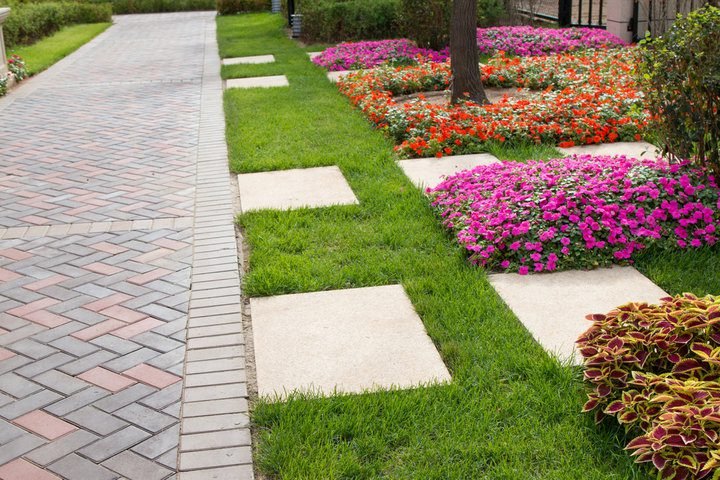
Weeds are one of the most persistent challenges homeowners face in maintaining attractive landscape beds. In Richmond, Virginia and surrounding communities like Mechanicsville, Midlothian, Chester, Goochland, Tuckahoe, Short Pump, and Glen Allen, the combination of warm summers, seasonal rainfall, and mild winters creates ideal conditions for weed growth nearly year-round. Without a proactive strategy, weeds can quickly overtake flower beds, compete with ornamental plants, and diminish curb appeal.
One of the most effective and environmentally friendly solutions for controlling weeds in landscape beds is mulching. When properly selected and installed, mulch acts as a physical and environmental barrier that suppresses weed growth while improving soil conditions. For homeowners looking to reduce maintenance while enhancing their landscape’s appearance, professional mulch installation offers long-term benefits beyond simple weed control.
Lawn Popper’s, a locally operated lawn care and landscaping company based in the Richmond, Virginia area, provides mulch installation and full-service landscape maintenance designed specifically for regional soil and climate conditions. Understanding how mulching helps reduce weeds allows property owners to make informed decisions about protecting their outdoor spaces.
Key benefits of mulching for weed control include:
- Blocking sunlight from reaching weed seeds
- Preventing new weed germination
- Reducing soil disturbance
- Retaining moisture for desirable plants
- Enhancing the overall appearance of landscape beds
Below, we break down exactly how mulch works as a weed suppressant and why it remains one of the most reliable strategies for maintaining clean, healthy landscape beds in Central Virginia.
Why Mulch Is a Powerful Weed Barrier in Landscape Beds
Mulch works as a protective layer that sits between the soil and the outside environment. Weed seeds require specific conditions to germinate, including light, warmth, oxygen, and exposed soil. When mulch is applied correctly, it interrupts that process and significantly limits the opportunity for weeds to establish themselves.
In Richmond-area landscapes, weed pressure can come from wind-blown seeds, nearby lawns, wooded areas, and even dormant seeds already present in the soil. Bare soil acts like an open invitation for these seeds to take root. Mulch covers that exposed ground, creating a physical shield that reduces seed-to-soil contact.
Mulch functions as a barrier by:
- Creating a dense surface layer that blocks seed contact
- Reducing soil disturbance from wind and rain
- Minimizing exposed soil areas
- Slowing erosion that can uncover dormant seeds
- Providing a consistent, uniform protective cover
Another reason mulch is so effective is its versatility. Organic mulches such as hardwood, shredded bark, and pine fines gradually decompose over time. As they break down, they enrich the soil while continuing to suppress weed growth. This dual function makes mulching one of the most cost-effective landscape maintenance strategies available to homeowners.
Professional mulch installation from Lawn Popper’s ensures even coverage and proper depth, which are critical for effective weed suppression. Uneven or shallow mulch layers often allow weeds to break through, reducing the barrier’s effectiveness.
How Mulch Blocks Sunlight From Weed Seeds
Sunlight plays a major role in weed seed germination. Many weed species common to the Richmond region require direct light exposure to sprout. By covering soil with a 2 to 3-inch layer of mulch, you significantly reduce the amount of sunlight that reaches weed seeds.
Without access to light, many seeds remain dormant. Even if they attempt to sprout, they often lack the energy needed to push through a thick mulch layer. This weakens or prevents their growth before they can establish roots.
Mulch blocks sunlight by:
- Shading the soil surface
- Lowering soil temperature fluctuations
- Reducing light-triggered germination
- Creating a dense top layer seedlings struggle to penetrate
Beyond light suppression, mulch also stabilizes soil temperature. In Virginia’s fluctuating seasonal climate, soil temperatures can swing dramatically between day and night. These fluctuations can stimulate weed germination. Mulch acts as insulation, reducing temperature extremes and limiting conditions favorable to weed growth.
It is important to understand that mulch does not eliminate all weeds permanently. Some aggressive weeds may still emerge, especially if the mulch layer is thin or has decomposed over time. However, the overall weed population is dramatically reduced, making maintenance easier and less time-consuming for homeowners throughout communities like Glen Allen and Midlothian.
Improving Soil Health While Suppressing Weeds
One of the overlooked advantages of mulching is its positive impact on soil health. Healthy soil supports strong ornamental plants, shrubs, and trees. When desired plants are thriving, they compete more effectively against weeds for nutrients and space.
Organic mulch gradually decomposes and adds valuable organic matter to the soil. This improves soil structure, drainage, and nutrient retention. In many parts of Richmond and surrounding areas, soil can range from compacted clay to sandy loam. Mulch helps balance these conditions over time.
Soil improvements from mulching include:
- Increased organic matter content
- Improved moisture retention
- Reduced soil compaction
- Enhanced microbial activity
- Better root development for plants
Moisture retention is particularly important during Virginia’s hot summer months. Mulch reduces evaporation, meaning plants require less frequent watering. Healthier plants develop stronger root systems, allowing them to crowd out potential weeds naturally.
Additionally, mulch reduces soil erosion caused by heavy rainfall. When rain directly hits bare soil, it can displace particles and expose dormant weed seeds. Mulch softens the impact of rainfall and keeps soil intact. Lawn Popper’s often incorporates mulch installation into seasonal yard cleanup and landscape refresh projects to maintain long-term bed health across Richmond-area properties.
Choosing the Right Mulch for Richmond Yards
Not all mulch types perform the same when it comes to weed suppression. The right choice depends on aesthetic preference, plant types, soil conditions, and maintenance goals. In the Richmond area, hardwood mulch and shredded bark are common options due to availability and durability.
Organic mulches are typically preferred for residential landscape beds because they enhance soil quality while controlling weeds. Inorganic options such as rubber mulch or stone may provide longer-lasting coverage but do not improve soil health.
Common mulch types for Richmond landscapes include:
- Shredded hardwood mulch
- Pine bark mulch
- Triple-ground decorative mulch
- Dyed brown or black mulch
- Pine straw for specific bed styles
Hardwood mulch is particularly effective because its interlocking texture creates a tighter barrier. This makes it harder for weed seedlings to push through. Pine bark mulch offers excellent drainage and a natural appearance that complements many home styles throughout Tuckahoe and Short Pump.
Color-enhanced mulches can also provide aesthetic benefits while maintaining weed control performance. However, regardless of the material selected, proper installation depth and maintenance remain the most important factors in weed prevention.
Lawn Popper’s helps homeowners choose mulch types suited to their property’s layout, soil composition, and overall landscape design. Professional guidance ensures that weed control and curb appeal work together seamlessly.
Proper Mulch Depth to Prevent Weed Growth
Applying the correct mulch depth is essential for maximizing weed suppression. Too little mulch allows sunlight to reach the soil, while too much can suffocate plant roots and create moisture issues.
For most residential landscape beds in Richmond and nearby communities, a depth of 2 to 3 inches is ideal. This provides sufficient coverage to block light and prevent weed establishment without harming existing plants.
Best practices for mulch depth include:
- Maintain 2 to 3 inches across beds
- Avoid piling mulch against tree trunks
- Keep mulch a few inches away from plant stems
- Rake mulch evenly for consistent coverage
- Replenish annually as material decomposes
Over-mulching can lead to root rot and pest issues. Creating “mulch volcanoes” around trees is a common mistake that traps moisture against bark. Proper installation prevents these problems while still delivering effective weed control.
Professional mulch installation ensures uniform coverage and correct spacing around shrubs, trees, and perennials. Lawn Popper’s applies mulch with attention to detail, supporting both plant health and long-term weed suppression for homeowners throughout the Richmond region, including areas such as 23233 and 23116.
Seasonal Mulch Maintenance for Lasting Control
Mulch naturally breaks down over time. While this decomposition benefits soil health, it also reduces the thickness of the weed barrier. Seasonal maintenance ensures mulch continues to perform effectively.
In Richmond’s climate, spring and fall are popular times for refreshing landscape beds. However, mulch can be installed or replenished at any time conditions are suitable. Regular inspections help identify thinning areas where weeds may begin to emerge.
Seasonal mulch maintenance should include:
- Checking depth and replenishing as needed
- Removing existing weeds before adding new mulch
- Fluffing compacted mulch layers
- Inspecting for erosion after heavy rain
- Cleaning bed edges for a crisp appearance
Combining mulch installation with other services such as shrub trimming, aeration, overseeding, and seasonal yard cleanup enhances overall landscape performance. Healthy turf areas surrounding beds reduce the migration of weed seeds into mulched spaces.
Lawn Popper’s provides comprehensive lawn care and exterior property maintenance throughout Richmond, Virginia and nearby communities including Mechanicsville, Midlothian, Chester, Goochland, Tuckahoe, Short Pump, and Glen Allen. By integrating mulch installation into a broader maintenance plan, homeowners can significantly reduce weed pressure while maintaining a clean, polished outdoor environment.
Frequently Asked Questions
How often should mulch be replaced in landscape beds in Richmond, Virginia?
Most landscape beds benefit from mulch replenishment once per year, typically in spring or fall. In the Richmond area, organic mulch naturally decomposes due to heat and moisture, gradually thinning the protective layer. Lawn Popper’s serving the Richmond area offers mulch installation and seasonal refresh services to maintain proper depth and consistent weed suppression throughout the year.
Does mulching completely eliminate weeds?
Mulch significantly reduces weed growth but does not permanently eliminate every weed. It works by blocking sunlight and limiting seed contact with soil, which prevents most weeds from germinating. Lawn Popper’s helps homeowners in Midlothian, Glen Allen, and surrounding communities combine mulch installation with proper bed preparation for maximum weed control effectiveness.
What type of mulch is best for weed control in Virginia landscapes?
Shredded hardwood mulch is one of the most effective options for weed suppression in Virginia because it forms a dense, interlocking layer. Pine bark mulch is also a strong choice for drainage and appearance. Lawn Popper’s helps homeowners throughout the Richmond region select mulch types that balance aesthetics, soil health, and weed prevention.
Can mulch improve the health of my shrubs and plants?
Yes, organic mulch improves soil moisture retention, regulates temperature, and adds nutrients as it decomposes. These benefits encourage stronger root systems and healthier plant growth. Lawn Popper’s provides professional mulch installation and shrub trimming services that support plant vitality across Richmond-area properties.
Should landscape fabric be installed under mulch?
Landscape fabric can provide additional weed suppression in some situations, but it is not always necessary. In many residential beds, a properly installed 2 to 3-inch layer of mulch is sufficient. Lawn Popper’s evaluates each property individually to determine whether fabric or natural mulch layering will deliver the best long-term results.
How does mulch help during hot Virginia summers?
Mulch acts as insulation, reducing soil temperature fluctuations and minimizing moisture evaporation during hot summer months. This protects plant roots and reduces watering needs. Lawn Popper’s serving Richmond and surrounding communities installs mulch to help landscapes remain resilient during periods of heat and drought.
Is professional mulch installation worth it?
Professional installation ensures correct depth, even coverage, and proper spacing around trees and shrubs. Improperly applied mulch can reduce effectiveness or harm plants. Lawn Popper’s provides detailed, consistent mulch installation services throughout Richmond, Mechanicsville, Chester, and nearby areas to deliver reliable weed control and enhanced curb appeal.
Do you offer other lawn and exterior maintenance services besides mulching?
Yes, Lawn Popper’s provides comprehensive lawn care and exterior property maintenance services including lawn mowing, aeration, overseeding, seasonal yard cleanups, shrub trimming, and power washing. Homeowners throughout the Richmond area rely on consistent, professional service to keep their properties looking clean, healthy, and well maintained year-round.